Rock Hill
Neighborhood Guide
Welcome to Rock Hill
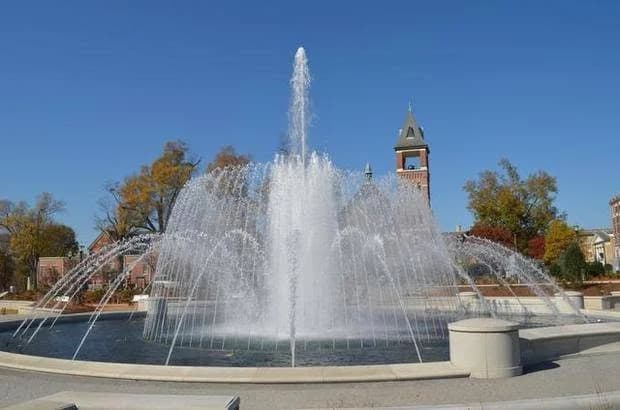
Rock Hill is the largest city in York County and one of the most underappreciated real estate markets in the Charlotte region. Anchored by Winthrop University, a revitalized Old Town district centered on Fountain Park, and the Riverwalk development along the Catawba River, Rock Hill offers something its pricier neighbors can't: real affordability with its own identity. Buyers get South Carolina tax advantages, a 30-minute run up I-77 to Charlotte, and meaningfully more house for the money than Fort Mill or Mecklenburg County.
$345k
Median Price
75k
Population
B+
Schools
35m
Commute
Local Highlights
Riverwalk District
A master-planned riverfront community with a 1.5-mile boardwalk, Town Center dining and retail, and nationally recognized sports venues on the Catawba River.
Old Town & Fountain Park
A revitalized downtown with local restaurants, the iconic Fountain Park gathering space, and the Knowledge Park redevelopment bringing new jobs and housing.
Real Affordability
Median sale prices run 15-25% below Fort Mill with the same South Carolina tax advantages and an easy I-77 commute to Charlotte.
Popular Rock Hill Neighborhoods
Discover Rock Hill's premier communities
Riverwalk
Rock Hill's flagship master-planned community stretches along the Catawba River with a mile-and-a-half boardwalk, kayak and canoe access, a Town Center with restaurants and retail, and a YMCA. Homes range from low-maintenance townhomes to waterfront custom builds, and the community's trail network connects directly to the river. Riverwalk is the clearest picture of where Rock Hill is headed.
Price Range: $400k - $900k+
Historic Downtown / Winthrop Area
Walkable to Old Town's Main Street corridor, Fountain Park, and Winthrop University, this area mixes historic homes under renovation with newer infill construction. The dining and events scene downtown has grown steadily, and the buyer demographic here skews younger and more urban. Some of the best value in the market lives on these streets.
Price Range: $200k - $450k
India Hook / Lake Wylie Adjacent
The northwestern corridor of Rock Hill runs toward Lake Wylie and Ebenezer Park, with established neighborhoods on larger lots and newer communities closer to the water. Buyers wanting lake proximity without NC pricing often land here — the premium for water access is real but still well below the North Carolina side of the lake.
Price Range: $350k - $700k
Oakdale / Dave Lyle Corridor
Rock Hill's primary growth corridor for new commercial and residential development. National builders remain active here, retail continues to expand, and I-77 access is immediate. Buyers who want a newer home with modern floor plans at a per-square-foot price Fort Mill can't touch should start their search along Dave Lyle Boulevard.
Price Range: $300k - $550k
Southern I-77 Corridor
Established neighborhoods along the southern stretch of I-77 offer quick highway access to Charlotte and Fort Mill at some of the most accessible price points in York County. This is where first-time buyers and investors find brick ranches, split-levels, and 1990s-2000s subdivisions with room to add value.
Price Range: $250k - $450k
Northwestern York County / Clover Area
The Clover school district — one of York County's highest-rated — draws buyers to the northwestern edge of the Rock Hill market. Larger lots, newer construction, and Clover school assignments at prices that undercut Fort Mill for comparable product. We always verify school boundaries before buyers commit to a search area here.
Price Range: $350k - $650k
Shopping & Dining
Old Town energy and everyday convenience
Old Town & Main Street
Rock Hill's revitalized downtown is the heart of its dining scene, with locally owned restaurants, coffee shops, and breweries clustered around Main Street and Fountain Park. The park's fountain and lawn host concerts, festivals, and the weekly gatherings that give the district its energy. Old Town is the strongest argument that Rock Hill has an identity beyond being a Charlotte suburb.
Riverwalk Town Center
The commercial hub of the Riverwalk district pairs restaurants and retail with direct access to the boardwalk and river trails. It draws from the whole region on weekends, and its restaurant lineup continues to expand as the surrounding community builds out.
Dave Lyle Boulevard Corridor
Rock Hill's primary retail corridor carries the national anchors — grocery, big-box, and chain dining — that handle everyday needs. Manchester Village and the surrounding centers put one-stop shopping minutes from most Rock Hill neighborhoods, with immediate I-77 access.
Knowledge Park
The redevelopment initiative linking downtown to Winthrop University has converted former textile sites into offices, apartments, and gathering spaces, bringing new employers and foot traffic into the core. For buyers near downtown, Knowledge Park is the growth story to watch.
Parks & Recreation
River trails, lake access, and tournament-grade facilities
Riverwalk & the Catawba
The Riverwalk trail system runs along the Catawba River with paved paths for walking and cycling, kayak and canoe launches, and the Rock Hill BMX Supercross Track — a facility good enough to have hosted world-championship racing. It's the region's most complete riverfront recreation setup.
Ebenezer Park & Lake Wylie
On Rock Hill's northwestern edge, Ebenezer Park puts a sand beach, campground, and boat access on Lake Wylie. Boating, fishing, and lake days are a short drive from anywhere in the city — without paying lakefront-community prices to get them.
Cherry Park & Manchester Meadows
Rock Hill's tournament-grade sports complexes draw national softball, baseball, and soccer events year after year, alongside everyday trails, playgrounds, and league play. Glencairn Garden adds eleven acres of azaleas and walking paths near downtown for quieter afternoons.
Education
From Rock Hill Schools to Winthrop University
Rock Hill Schools (District Three)
Most of the city is served by Rock Hill Schools, York County District Three, which operates three high schools: Rock Hill, Northwestern, and South Pointe. The district has been investing in new construction and modernization, and its football tradition is nationally known — the city has sent a remarkable string of players to the NFL, earning the nickname "Football City USA."
The northwestern corner of the Rock Hill market feeds the Clover school district, one of the highest-rated in York County — homes inside Clover's boundaries carry a real premium, and we always confirm exact school assignments before buyers narrow a search.
Winthrop University & Beyond
Winthrop University anchors the downtown area with roughly 6,000 students, a historic campus, Division I athletics, and the cultural programming a university brings. It's also a steady economic engine — and a reason Rock Hill's rental market stays healthy for investor buyers.
York Technical College adds workforce and transfer programs on the city's west side, and the wider Charlotte region's universities are within an easy drive.
Frequently Asked Questions
Common questions about living in Rock Hill
Why choose Rock Hill over Fort Mill or Indian Land?
Price, mostly — and what it buys. Rock Hill's median sale prices run roughly 15-25% below Fort Mill with the same South Carolina tax advantages, so buyers get more square footage, larger lots, or a lower payment for the same budget. The trade-off is a school-district reputation a notch below Fort Mill's — which is exactly why we walk buyers through specific school assignments rather than district labels. For many households, the math strongly favors Rock Hill.
How long is the commute from Rock Hill to Charlotte?
Uptown Charlotte is about 25-30 miles up I-77, typically 30-45 minutes depending on where in Rock Hill you start and when you leave. Charlotte Douglas International Airport runs about 35-45 minutes. Several Charlotte employers also keep satellite offices in Rock Hill, which eliminates the commute entirely for some buyers.
What is the cost of living in Rock Hill?
Housing is the headline: recent closed sales have run around a $345,000 median, meaningfully below Fort Mill, Indian Land, and comparable South Charlotte areas. Layer on South Carolina's lower property taxes and no state tax on Social Security income, and Rock Hill is one of the strongest value propositions in the Charlotte region.
Is there new construction in Rock Hill?
Yes — active new construction runs throughout the market, concentrated along the Dave Lyle corridor, in Riverwalk, and on the city's northwestern edge. Builder pricing per square foot here typically beats Fort Mill and Indian Land while delivering the same modern floor plans and finishes.
Is Rock Hill a good market for investors?
Rock Hill draws investor attention because its price points still allow positive cash flow in some segments, particularly near Winthrop University and in the $200k-$350k range. The university, hospital, and downtown employment base keep rental demand steady. We work with investor buyers regularly and can speak to rental dynamics neighborhood by neighborhood.
What is Rock Hill known for?
Winthrop University, "Football City USA" and its NFL pipeline, the Riverwalk district on the Catawba, and a downtown revival centered on Fountain Park and Old Town. Rock Hill also has serious sports-tourism credentials — its BMX Supercross track has hosted world-championship racing, and Cherry Park and Manchester Meadows draw national tournaments every year.
What is the history of Rock Hill?
Rock Hill grew up as a railroad and textile city in the late 1800s and played a notable role in the civil rights movement — the Friendship Nine's 1961 sit-in at a downtown lunch counter is commemorated on Main Street today. As the mills closed, the city reinvented itself around Winthrop, healthcare, and redevelopment, a transformation you can read directly in the Knowledge Park district rising on former mill sites.
Location & Commute
Connectivity and accessibility
Highway Access
Rock Hill sits directly on I-77 with multiple interchanges serving the city, putting Charlotte to the north and Columbia to the south on a straight shot. US-21, SC-5, and SC-161 tie the neighborhoods together and connect to York, Fort Mill, and Lake Wylie. Few Charlotte-area markets of this size offer this many ways in and out.
Charlotte Douglas International Airport
CLT is approximately 35-45 minutes from most of Rock Hill, making air travel practical for business and leisure. As a major American Airlines hub, the airport offers nonstop flights to over 170 destinations worldwide.
Commute Times to Key Locations
Uptown Charlotte: 30-45 minutes
Charlotte Airport: 35-45 minutes
Fort Mill: 15 minutes
Lake Wylie: 15-20 minutes
Ballantyne: 30 minutes
Columbia: 1 hour 10 minutes
Regional Access
Rock Hill's position on I-77 makes it a genuine midpoint: Columbia in a bit over an hour, Greenville in two, Charleston in three, and the Blue Ridge Mountains within an easy weekend drive. For households splitting time between Charlotte and the rest of South Carolina, the geography works.
Ready to Explore Rock Hill?
Discover why buyers who run the numbers keep landing in York County's largest city. More house, lower taxes, a real downtown — and a team that covers the full Rock Hill market.